Project
Prototyping and R&D
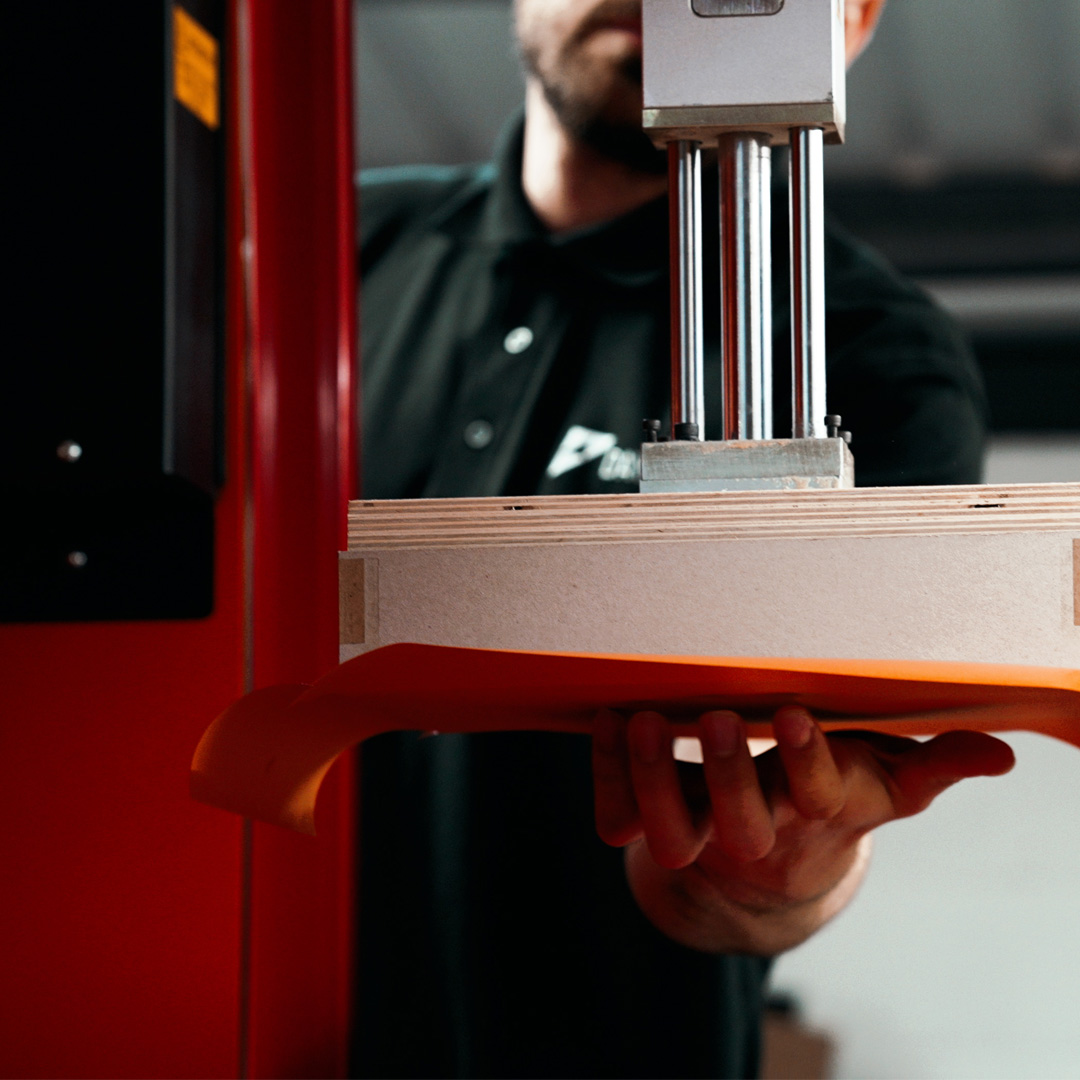
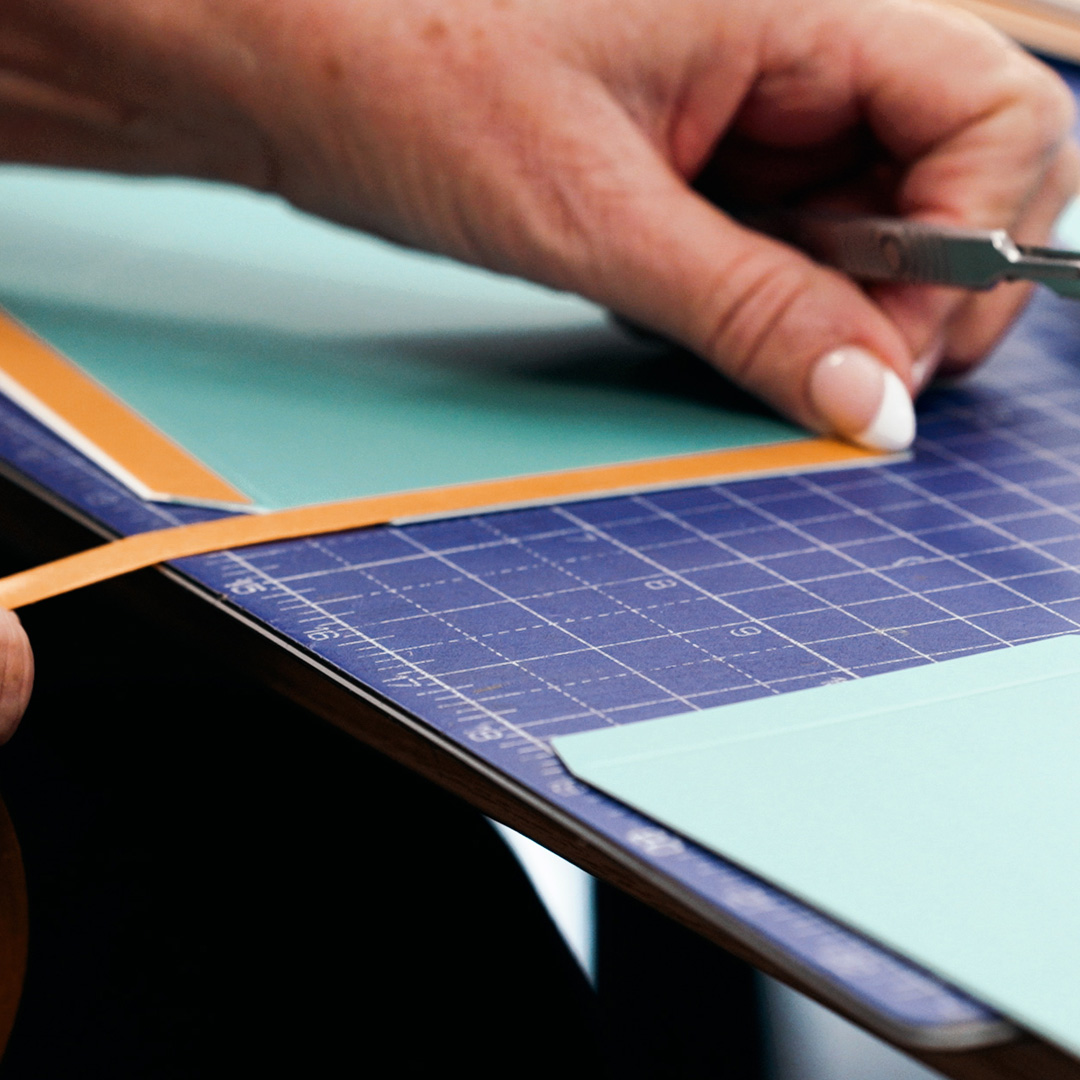
Not every packaging project requires prototyping, but for more complex structures, presentation packaging and bespoke formats, testing before production can prevent costly issues later. Prototyping and R&D allow materials, structure, finishing and assembly methods to be reviewed under real production conditions before manufacturing begins. At Dayfold Global, this stage forms part of the wider packaging development process where additional refinement, validation or production confidence is needed before committing to full scale manufacture.
TESTING & DEVELOPMENT
Where Concepts Are Properly Evaluated
Some packaging concepts look convincing on screen but behave very differently once physically produced.
Board thickness can affect assembly, finishes may react differently across certain materials and structural elements that appear straightforward digitally can become inefficient or unstable during manufacture. Prototyping allows these issues to be identified and resolved before production begins rather than during it.
For more bespoke packaging and presentation led projects, this stage can significantly reduce risk.
At Dayfold Global, prototyping is typically used for projects involving structural complexity, specialist finishing combinations or packaging where precision matters throughout the customer experience.
Creating physical samples allows brands and agencies to review construction, fitment, opening sequences, materials and finishing together under real conditions before approving manufacture. It also creates opportunities to refine details that are difficult to judge accurately through visuals or mockups alone.
The goal is to validate the packaging properly before larger production commitments are made.
"Some details only reveal themselves once the piece exists physically."
MATERIALS & VALIDATION
Built Around Production Confidence
Prototyping and R&D allow materials, structure and finishing to be tested together before packaging moves into manufacture.
Different board grades, specialist substrates and finishing techniques all behave differently once assembled, particularly across bespoke packaging formats and layered presentation pieces. Testing allows structural tolerances, assembly methods and material interactions to be reviewed early, helping avoid unnecessary compromise later in production.
This process becomes particularly valuable where consistency, protection and presentation all need to work together reliably.
Prototypes can also be used to evaluate how foiling, embossing, debossing, laminates, inserts and specialist closures interact across the finished packaging before committing to full production.
Structural design, material testing and production consultation are often combined throughout this stage, allowing packaging formats to be refined against real manufacturing conditions rather than theoretical visuals alone.
Where required, this additional development stage helps provide greater production confidence, clearer approval processes and more reliable outcomes once manufacturing begins at scale.
SUSTAINABILITY CONSIDERED FROM THE START
From material selection and print methods through to finishing and production efficiency, sustainability is considered as part of the process from the very beginning.